
Entertainment
36 Years of Rap City: How BET’s Landmark Hip-Hop Show Changed the Culture Forever

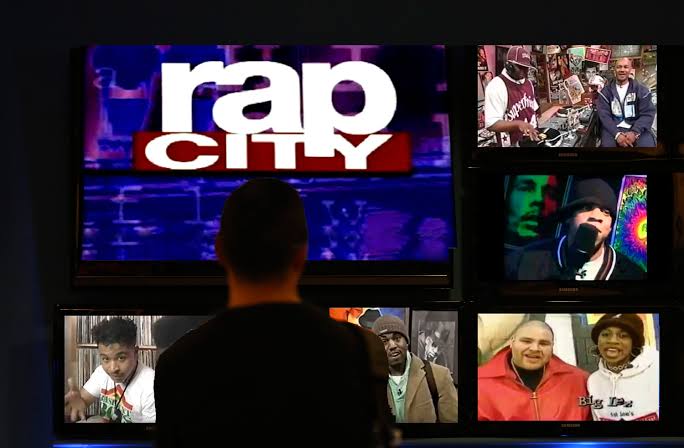
Before social media, viral freestyles and artist-led podcasts, Rap City gave hip-hop a place to speak for itself.
On August 11, 1989, BET premiered a television show that would become one of hip-hop’s most important media institutions.
Thirty-six years later, Rap City remains more than a nostalgic memory. It represents an era when hip-hop needed dedicated spaces to be seen, heard and understood — and BET created one that would help document the culture as it evolved. The program centered rap music, music videos, artist interviews and cultural commentary at a time when hip-hop was still fighting for broader recognition in mainstream media.
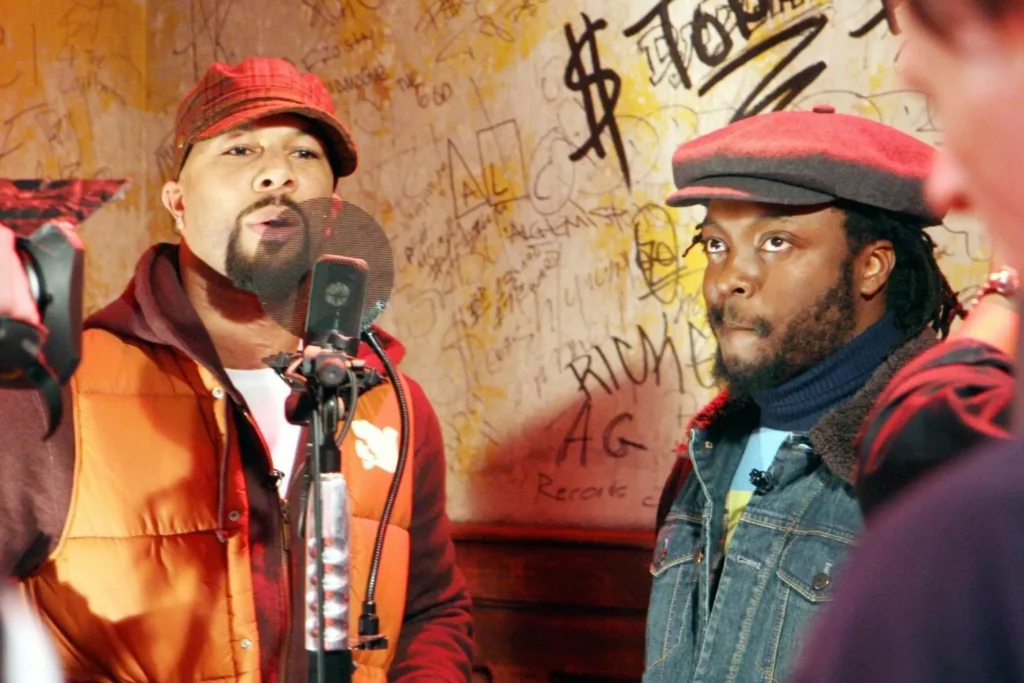
Photo by Johnny Nunez/WireImage.
For nearly two decades, Rap City became a destination for established superstars and emerging artists alike. Before Instagram Live, YouTube interviews, podcasts and viral social clips could connect an artist directly with millions of fans, there was something powerful about sitting down on Rap City.
It wasn’t simply promotion.
It was a cultural co-sign.
A Show That Grew Alongside Hip-Hop
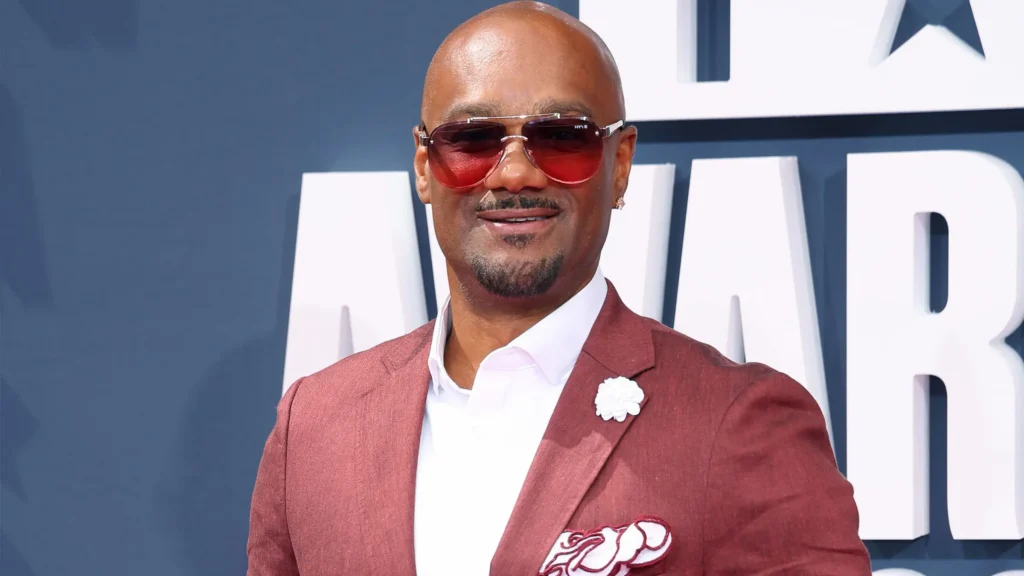
The original Rap City debuted with comedian Chris “The Mayor” Thomas as its first host. Over the years, the show would pass through the hands of personalities including Hans “Prime” Dobson, Prince DaJour, Joe Clair, Leslie “Big Lez” Segar, Big Tigger, Mad Linx, J-Nicks and Q-45. Each era brought a different personality to the franchise while keeping hip-hop at the center.
But one of its most recognizable transformations arrived in 1999.
Rap City evolved into Rap City: Tha Basement, with Big Tigger becoming the face of an era that would leave an especially lasting imprint on hip-hop television. The traditional television studio was transformed into something that felt more intimate — a basement where artists could seemingly drop by, talk music and, most importantly, step into The Booth.
The Booth became its own institution.
Artists weren’t just arriving to promote a single or announce an album. They were being given a microphone and an opportunity to demonstrate the skill at the foundation of hip-hop: rapping.
Those freestyles became cultural artifacts, with performances continuing to circulate online years after their original broadcasts. The longevity of those moments demonstrates something Rap City understood early: when artists are given an authentic environment to perform and speak freely, the content can outlive the promotional cycle that created it.
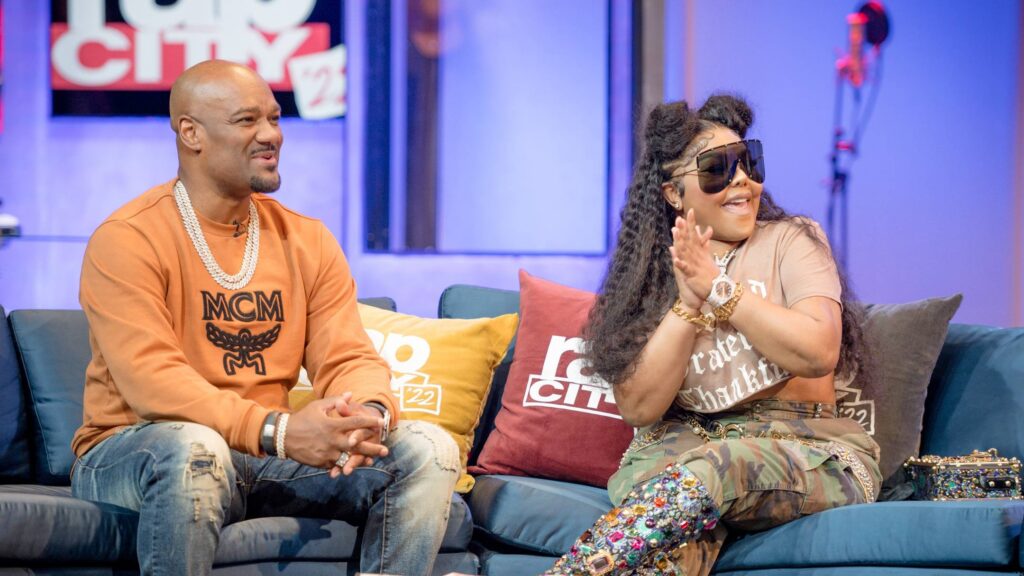
Before Artists Could Build Their Own Platforms
Perhaps Rap City’s legacy becomes even clearer when viewed through today’s media landscape.
A rapper can now announce a project directly to millions of followers. Artists can launch podcasts, produce documentaries, livestream conversations, create YouTube channels and build entire media companies without waiting for a television network to give them airtime.
In 1989, that infrastructure didn’t exist. Television exposure mattered differently. Rap City provided a nationally televised home where hip-hop wasn’t treated as an occasional trend or a segment squeezed between other genres. Hip-hop was the entire conversation.
Mainstream and underground rappers could discuss their projects and introduce music to audiences through a platform created specifically for the culture.
And as technology eventually changed the way audiences consumed music, the need to wait for television to see a favorite video began disappearing. On-demand platforms gave fans the ability to choose exactly what they wanted to watch and when they wanted to watch it — a fundamental shift for programs built around scheduled music-video programming.
Rap City’s original run ultimately ended in 2008. But the format it helped establish never really disappeared.
It evolved.
36 Years Later, Rap City Still Matters
Thirty-six years after its August 11, 1989 debut, the media landscape surrounding hip-hop is almost unrecognizable.
Artists have become their own broadcasters. Interviews can generate millions of views without ever touching traditional television. A freestyle recorded on a phone can travel around the world overnight. But before all of that accessibility, platforms like Rap City were doing the work of giving hip-hop artists room to tell their stories. And perhaps that’s the greatest part of its legacy.
Rap City understood that hip-hop didn’t merely need coverage. Hip-hop deserved a platform. Thirty-six years later, the technology has changed, the platforms have multiplied and artists have more control over their voices than ever before.
But the mission Rap City helped establish — give the culture a microphone, turn the camera on and let it speak for itself — remains as relevant as ever.
Happy 36th anniversary to Rap City.


-
 Celebrity News4 weeks ago
CHRIS SAILS’ SEX TAPE LEAKS! — INTIMATE MOMENT WITH WOMAN IN BACK SEAT OF HIS CAR
-
 Celebrity News2 weeks ago
Bad Bunny Has the Internet Talking After Posting NSFW Jerk Off Instagram Story
-
 Celebrity News1 week ago
Ray J Almost Banned From Kick After Having Sex With Woman On Livestream
-

 Celebrity News4 weeks ago
Chilli Holds TLC Down With Powerful Solo Performance as T-Boz Recovers From Sickle Cell Flare-Up
-
 Celebrity News2 weeks ago
Todd Tucker Claims He and Kandi Burruss Participated In Threesomes Most Of Their Marriage
-

 Celebrity News3 weeks ago
R.I.P. Buc Wild: Former HOT 97 “Star & Buc Wild” Co-Host Dies at 47
-
 Celebrity News4 weeks ago
CHRIS TUCKER & MRS. PARKER REUNITE! “FRIDAY” NOSTALGIA TAKES OVER AT HIS CELEBRITY GOLF TOURNAMENT
-
 Celebrity News3 weeks ago
P-Valley Is Going Out With a Bang! Starz Hit Sets Final Season 3 Premiere Date