
Celebrity News
Mary J. Blige Opens Up to Michelle Obama in a Powerful Conversation About Life, Legacy, Personal Growth, Career and the Moments That Shaped Her

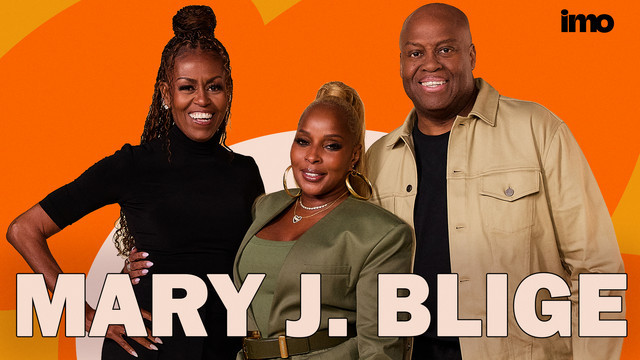
Mary J. Blige has spent more than three decades turning pain, heartbreak, survival and triumph into music. Now, the Queen of Hip-Hop Soul is looking back at the woman behind those records — and the journey it took to finally choose herself.
Blige joined former First Lady Michelle Obama and her brother Craig Robinson for a deeply personal conversation on IMO with Michelle Obama and Craig Robinson, opening up about everything from her childhood and early introduction to the music industry to financial lessons, relationships, healing, self-worth, motherhood and learning to forgive herself.
The episode, appropriately titled “Forgiving Yourself with Mary J. Blige,” was released August 19 and centered on Blige’s evolution from a young woman trying to survive her circumstances into an artist whose vulnerability would eventually become one of her greatest strengths.
For fans who have followed Blige throughout her career, the conversation offered something deeper than a traditional celebrity interview.
It was an examination of how the woman behind albums like What’s the 411?, My Life and No More Drama learned to become the person she had spent years encouraging listeners to become through her music.
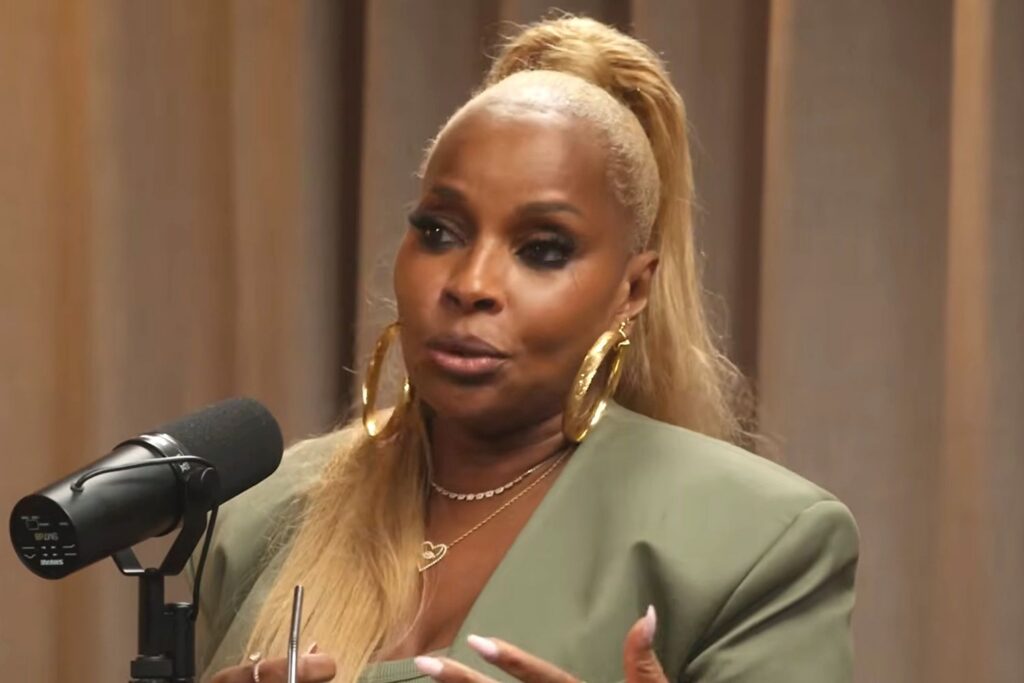
Music Became Her Therapy
Blige’s career has always been deeply connected to her personal experiences.
Long before conversations surrounding vulnerability and mental wellness became commonplace in popular culture, Blige was putting her struggles into songs. Heartbreak, insecurity, unhealthy relationships, survival and the search for self-love became recurring themes throughout a catalog that allowed millions of listeners to see pieces of their own lives reflected in hers.
During her conversation with Obama and Robinson, Blige reflected on navigating the music industry at a young age and explained how music ultimately became a form of therapy during some of the most difficult periods of her life.
That honesty became one of the defining characteristics of her career.
Blige wasn’t presenting herself as someone who had everything figured out. She was often working through the pain alongside the people listening.
And as she evolved, the music evolved with her.
The woman singing about heartbreak eventually began singing about freedom. The woman searching for love began talking about self-worth. The woman living through drama eventually reached a point where she could demand something different for herself.
That evolution is part of what has allowed Mary J. Blige to remain culturally relevant for more than three decades.
Learning the Business the Hard Way
Blige also spoke candidly about one of the less glamorous realities of becoming successful at a young age: not understanding the business behind the fame.
She recalled entering the music industry without a strong understanding of finances or contracts. Growing up in Yonkers and wanting to escape poverty, Blige said she and her mother didn’t possess the financial knowledge necessary to fully understand the business she was entering. That lack of knowledge left her vulnerable.
Over time, however, Blige realized that talent alone wasn’t enough. She needed to understand where her money was going, how her business operated and who was making decisions surrounding the career attached to her name.
Around the era of No More Drama, she began taking greater responsibility for her finances and educating herself about the business. The experience ultimately taught her a lesson she now emphasizes to others: learn the business, understand the numbers and don’t blindly hand control of your financial future to someone else.
It’s a particularly important part of Blige’s story because her career has never simply been a straight line from struggle to success. There were lessons behind the success. There were mistakes. There were periods of rebuilding. And there were moments when becoming Mary J. Blige the businesswoman required the same resilience that audiences had already heard from Mary J. Blige the artist.
Choosing a Life That Belongs to Her
One of the conversation’s most personal moments came when Blige discussed her decision not to have children.
The singer explained that her perspective was shaped by what she witnessed growing up. She saw women around her struggling with motherhood, limited support and a lack of freedom, experiences that influenced how she imagined her own future.
Her mother’s experience also carried particular significance.
Blige reflected on her mother having once received a vocal scholarship before ultimately sacrificing her own musical ambitions while raising her children. Watching that journey helped fuel Blige’s determination to pursue the opportunities that her mother had been unable to fully explore.
As she’s gotten older, Blige acknowledged that she can now recognize the extraordinary bonds her friends and family members share with their children. She also admitted there can be moments of loneliness. But her reflections weren’t rooted in regret. They were rooted in acceptance.
Obama used the moment to make a broader point about womanhood and the societal expectation that motherhood must be the path every woman follows. Her message was clear: motherhood isn’t what makes a woman complete; a person must first develop a sense of wholeness within themselves.
It was a fitting conversation for Blige, whose career has increasingly become a story about rejecting expectations and learning how to live on her own terms.

The Hardest Person to Forgive Can Be Yourself
Perhaps the most powerful theme of the conversation was forgiveness — particularly self-forgiveness. Blige’s music has documented years of complicated relationships and difficult circumstances, but healing required more than forgiving the people who hurt her.
It required forgiving herself. For the decisions she made when she didn’t know better. For the people she trusted. For the relationships she remained in. For the financial lessons she had to learn. For the younger versions of herself who were simply trying to survive with the information they had at the time. That distinction matters.
Because personal growth isn’t always about pretending the past didn’t happen. Sometimes growth means being able to revisit the person you once were without punishing them for not yet knowing what you know today. For Blige, that process has become part of her legacy.
From Survival to Self-Worth
The conversation also highlighted why Mary J. Blige’s story continues to resonate beyond music.
Her catalog has essentially documented a woman growing up in public. Audiences heard the pain. Then they heard the anger. They heard the heartbreak. They heard the determination. And eventually, they heard the healing.
That journey is why songs created decades ago continue to connect with new generations. The specifics may belong to Blige’s life, but the emotions belong to everyone. Her story has never been about perfection. It has been about becoming.
Today, Blige is still creating, performing and expanding her legacy, including her Mary J. Blige: My Life, My Story Las Vegas residency. But perhaps the most significant evolution isn’t happening onstage. It’s happening in the way she speaks about herself.
The woman who once used music to survive difficult moments can now look back at those chapters with perspective. The young artist who entered the industry without understanding its business has become a veteran capable of warning the next generation. And the woman whose music chronicled a lifelong search for love has increasingly made choosing herself part of the story.
That’s what made her conversation with Michelle Obama and Craig Robinson so compelling. It wasn’t simply Mary J. Blige looking backward at an extraordinary career.
It was Mary J. Blige looking at every version of herself — the young girl from Yonkers, the emerging superstar, the woman navigating heartbreak, the artist rebuilding her life and the icon she eventually became — and understanding that every one of those women helped create the person sitting there today.
After more than 30 years of giving listeners the soundtrack to their healing, Mary J. Blige may now be living one of the most important messages she’s ever shared:
You can survive your past without remaining trapped inside it.
And sometimes, the final person you have to make peace with is yourself.
The Prince Report










-

 Celebrity News4 weeks ago
Ray J Almost Banned From Kick After Having Sex With Woman On Livestream
-

 Celebrity News4 weeks ago
Todd Tucker Claims He and Kandi Burruss Participated In Threesomes Most Of Their Marriage
-
 Celebrity News4 weeks ago
Steve Harvey Says NBC Chairman Threatened To Take His TV Career After He Refused To Move ‘Celebrity Family Feud’
-

 Celebrity News4 weeks ago
Ari Fletcher Claps Back At “DEADBEAT MOM” Claims — Says She Retired Her Mom To Be Yosohn’s Homeschool Teacher and Nanny
-
 Celebrity News3 weeks ago
Keke Wyatt Arrested in Georgia on Terroristic Threats, Assault & Child Cruelty Charges
-

 Celebrity News2 weeks ago
Jasmine Guy Speak Out About Negative Comments On Her Appearance Following The Release Of A Different World Sequel On Netflix
-

 Celebrity News3 weeks ago
Jonathan Wright Is Home! Celebrity Hairstylist Makes His Return After Serving Prison Time
-

 Celebrity News2 weeks ago
Jazzma Kendrick Post Photos Of Her Lip Busted, Claims Rick Ross Physically Assaulted Her